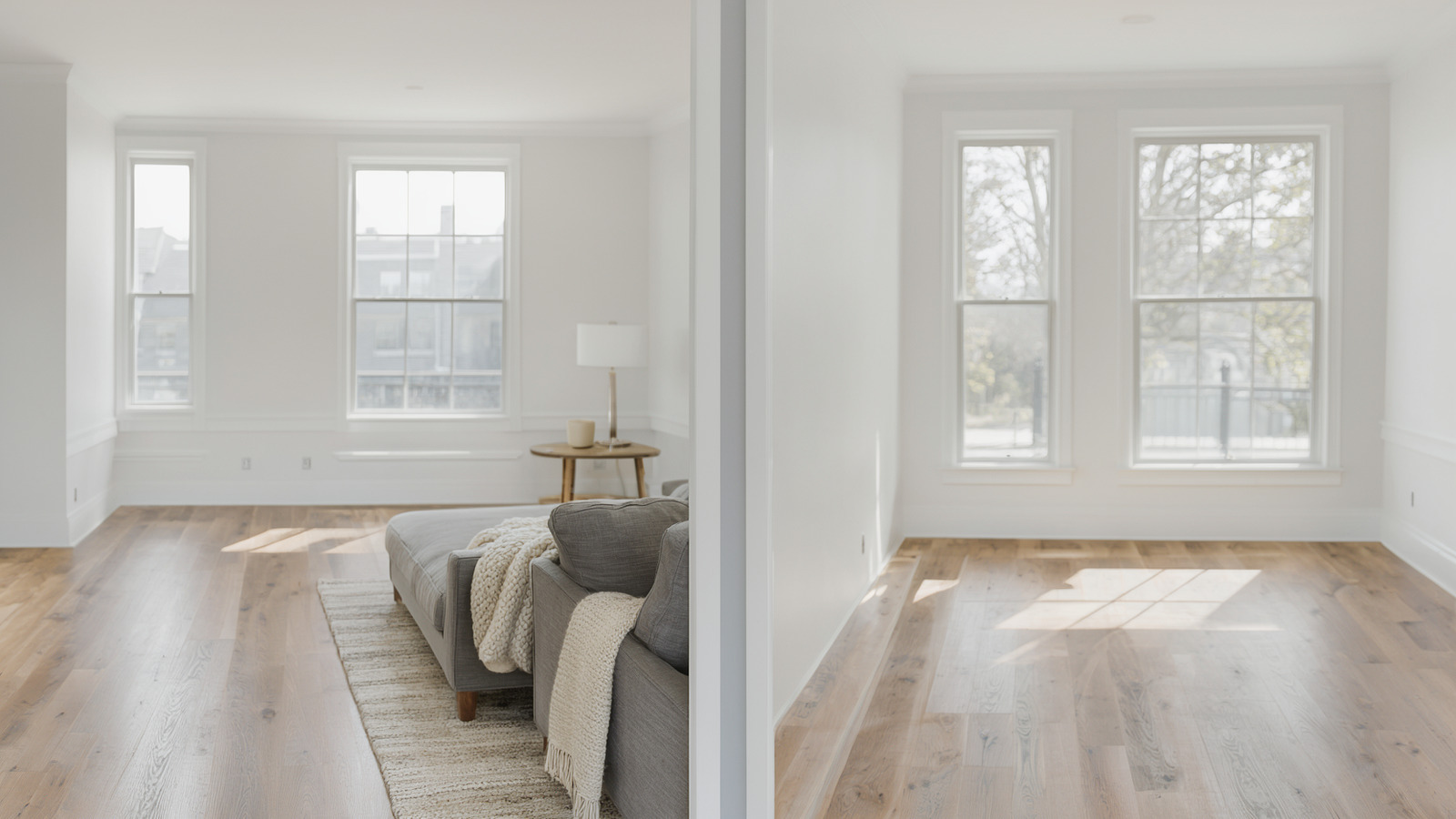
Short answer: When you stage your client's home, you can see a significant reduction in selling time (19% of agents noted this) and a slight decrease in time on the housing market (30% observed this), according to a National Association of Realtors report.
Staging the living room is most important for home buyers (37% find it very important), followed by the primary bedroom (34%) and kitchen (23%), the same report found. This means focusing on those areas will have the biggest impact on buyers when they first view your client's property virtually.
The Power of Virtual Staging in Selling Your Client's Home
In today's competitive real estate market, sellers are constantly seeking ways to make their properties stand out. One effective method that has gained popularity in recent years is virtual staging. According to a report by the National Association of Realtors (NAR), when homes were staged, 30% of home sellers' real estate agents observed slight decreases in time on the housing market, while 19% noted a significant reduction in selling time. This shows that staging, whether physical or virtual, can have a positive impact on the speed at which homes sell.
The NAR report also revealed that among the most commonly staged rooms were the living room (91%), primary bedroom (83%), dining room (69%), and kitchen (68%). For home buyers, the most important rooms to be staged were the living room (37%), followed by the primary bedroom (34%) and kitchen (23%). These findings highlight the importance of focusing on these key areas when preparing a home for sale.
Virtual staging, in particular, offers a cost-effective and efficient solution for sellers. It involves adding or modifying furniture, decor, and other elements in photographs of a property to create a more appealing and inviting atmosphere. In fact, a study by Zillow found that buyers found staging the living room to be “very important” (46%), followed by the master bedroom (43%) and the kitchen (35%). This shows that virtual staging can effectively target the areas that matter most to potential buyers.
Moreover, a report by The Mortgage Reports revealed that staging can help homes sell 73% faster on average than properties not staged. This statistic underscores the potential benefits of using virtual staging to quickly enhance the appeal of a property and attract more potential buyers.
The affordability of virtual staging also makes it an attractive option for real estate agents. Zillow offers virtual staging images online for as little as $30/photo, making it a budget-friendly way to elevate your client's listing without breaking the bank.
In conclusion, virtual staging is a powerful tool in the arsenal of real estate agents looking to sell their client's home quickly and effectively. By focusing on the most important areas of a property and leveraging the cost-effective nature of virtual staging, agents can create a compelling visual experience that appeals to potential buyers and ultimately leads to a faster sale.
The Power of Home Staging: Boosting Sale Prices and Reducing Time on Market

When it comes to selling your client's home, every detail matters. One effective strategy that real estate agents often employ is home staging. According to a National Association of Realtors (NAR) report, when homes were staged, 30% of sellers' agents observed slight decreases in time on the housing market, while 19% noted a significant reduction in selling time. This shows that staging can be a game-changer in the real estate world.
The most commonly staged rooms, as reported by the NAR study, were the living room (91%), primary bedroom (83%), dining room (69%), and kitchen (68%). These areas are often the first to be seen by potential buyers, making a strong first impression crucial. Home buyers find staging the living room to be "very important" (46%), followed by the master bedroom (43%) and the kitchen (35%). This highlights the importance of focusing on these areas when staging a home.
Moreover, the same NAR report revealed that among home sellers, staging the living room was most important for home buyers (37%), followed by the primary bedroom (34%) and kitchen (23%). This shows that the order of importance may differ slightly between buyers and sellers, but the key areas remain the same.
The benefits of staging don't stop at reducing time on the market. Eighteen percent of sellers' agents said home staging increased the dollar value of a residence between 6% and 10%, with none of them reporting that home staging had a negative impact on the property's value. This indicates that staging can not only help homes sell faster but also potentially increase their value.
In summary, home staging is a powerful tool in the arsenal of real estate agents. By focusing on the most important rooms and creating an appealing environment for potential buyers, agents can significantly reduce the time a home spends on the market and potentially increase its value. As you prepare to list your next property, consider the benefits of staging and how it can help your client's home stand out in a competitive market.
The Power of Staging: How Virtual Staging Can Boost Your Listing's Appeal

When it comes to selling your client's home, every detail matters. One of the most effective ways to make a great first impression on potential buyers is through staging. According to the National Association of Realtors (NAR) report, when homes were staged, 30% of sellers' real estate agents observed slight decreases in time on the housing market, while 19% noted a significant reduction in selling time. This shows that staging can have a considerable impact on the speed at which your listing sells.
But what if you could enhance the appeal of your listing without the need for physical staging? Enter virtual staging – a game-changer in the world of real estate marketing. By using high-quality photos and virtual staging, you can create a more appealing and accurate representation of your client's home, making it stand out in a competitive market.
The NAR report also revealed that among the most important rooms to stage are the living room (91% of sellers staged this room), primary bedroom (83%), dining room (69%), and kitchen (68%). Home buyers found staging the living room to be “very important” (46%), followed by the master bedroom (43%) and the kitchen (35%). This highlights the areas where virtual staging can make the most significant impact.
Virtual staging allows you to showcase your client's home in its best light, highlighting its unique features and creating a welcoming atmosphere. By adding virtual furniture, decor, and accents, you can transform plain photos into captivating visuals that draw potential buyers in. This can be particularly useful when your client's home is vacant or lacks the right furniture to showcase its potential.
Moreover, virtual staging can be an affordable solution for budget-conscious sellers. According to the Zillow report, Zillow Media Experts offer virtual staging images online for just $30/photo. This cost-effective option allows you to enhance your listing without breaking the bank.
The benefits of virtual staging extend beyond just aesthetics. Studies have shown that staging can help homes sell 73% faster on average than properties not staged. This means that by incorporating virtual staging into your marketing strategy, you can potentially get your client's home sold faster and at a higher price.
In conclusion, virtual staging is a powerful tool that can help you make your client's listing stand out in a crowded market. By focusing on
The Power of Virtual Staging: Enhancing Your Client's Listing
In today's competitive real estate market, creating an appealing listing is crucial for a swift sale and maximizing your client's return on investment. One powerful tool at your disposal is virtual staging, a process that utilizes computer-generated furniture, decor, and other elements to transform your listing's interior photos into a more attractive and inviting space. According to the National Association of Realtors (NAR) report, when homes were staged, 30% of home sellers' real estate agents observed slight decreases in time on the housing market, while 19% noted a significant reduction in selling time. This indicates that staging, whether physical or virtual, can have a substantial impact on the speed and success of a home sale.
The importance of staging varies across different rooms. Home sellers most commonly staged the living room (91%), primary bedroom (83%), dining room (69%), and kitchen (68%), as these areas hold significant appeal for potential buyers. Among home buyers, the living room was deemed "very important" by 46%, followed by the master bedroom (43%) and the kitchen (35%). By focusing your virtual staging efforts on these high-priority areas, you can make a significant difference in how your client's property is perceived by potential buyers.
Moreover, the NAR report revealed that staging can increase a home's dollar value by up to 6% to 10%, demonstrating the tangible financial benefits of a well-staged listing. This is especially true when it comes to the primary bedroom and living room, which are the most crucial areas for buyers. By leveraging virtual staging, you can enhance the visual appeal of these critical spaces without the time and expense of physical staging. This allows you to offer your clients a more competitive and attractive listing, potentially leading to a faster sale and a higher selling price.
In addition to the financial benefits, virtual staging also offers the advantage of flexibility. You can easily modify the staging to cater to different target audiences, such as families, young professionals, or retirees, by adjusting the furniture, decor, and color schemes. This customization allows you to tailor the listing to the specific needs and preferences of potential buyers, increasing its appeal and marketability.
By incorporating virtual staging into your listing strategy, you can create a more enticing and competitive listing that stands out in a crowded market.
Frequently asked questions
Is virtual staging allowed?
Yes, when it is clearly labeled and does not alter permanent features.
Does staging change offers?
Staged spaces help buyers picture living there, which supports stronger offers.
Want this done to your listing? Send it over and we'll build a free before/after — no call, no commitment: see the free preview.