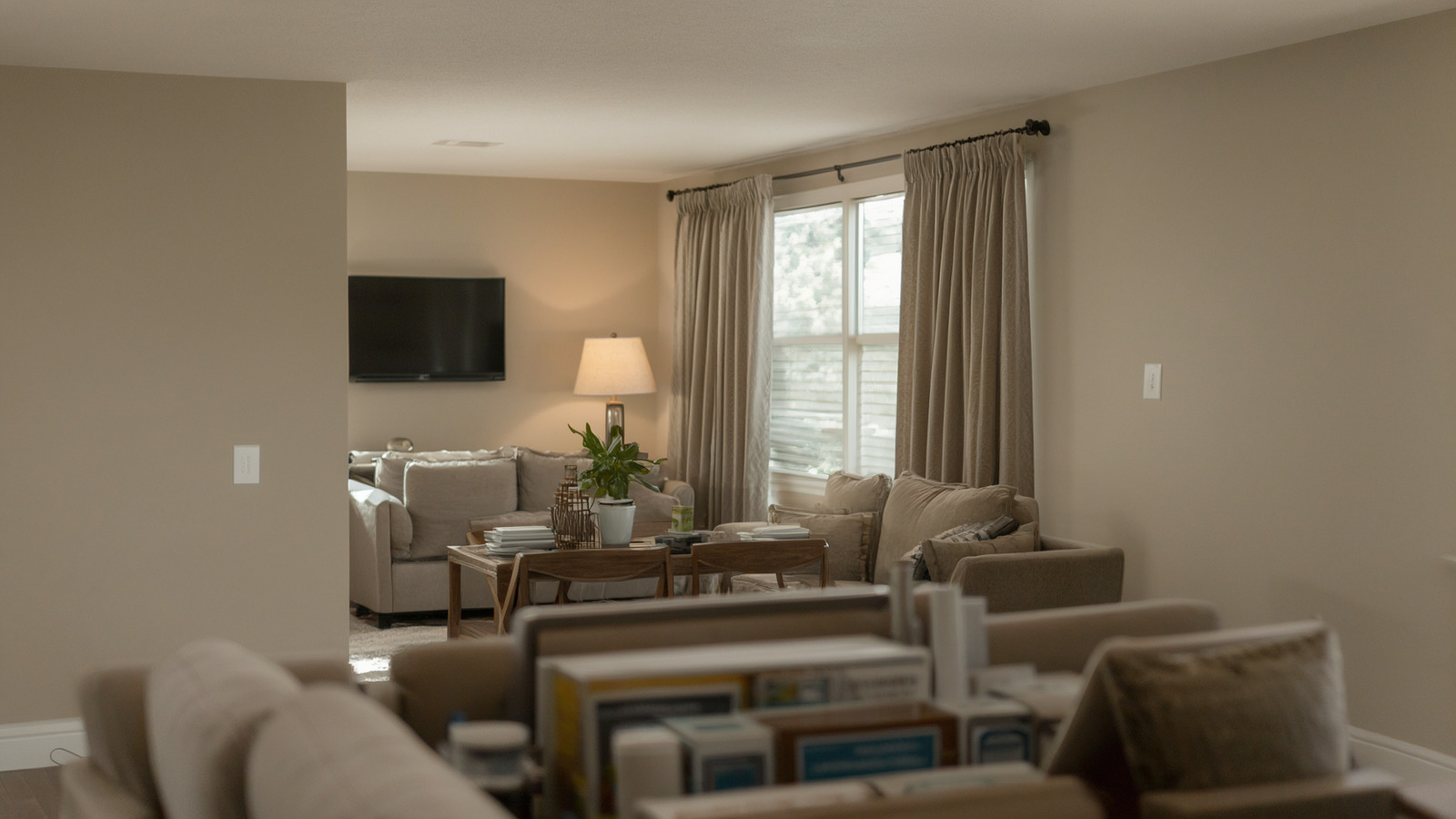
Short answer: Using AI-generated images to enhance your listing photos can be legally risky, as there are more questions than answers regarding who owns the rights to these images, according to research from the National Association of REALTORS®.
The use of AI to improve listing photos has become increasingly popular, but it's essential to understand the potential legal implications. While using AI-generated images may seem like a quick and easy solution, it's crucial to prioritize transparency and your client's best interest, as 99% of the time, doing so will lead to positive outcomes.
Inconsistent Lighting Can Make Your Listing Photos Look Unappealing
When it comes to listing photos, one of the most common mistakes real estate agents make is inconsistent lighting. This can happen for various reasons, such as the agent not being familiar with the property or simply not paying enough attention to the photos they are taking. However, this mistake can be a huge turnoff for potential buyers who are browsing through online listings.
Inconsistent lighting can make your client's home look unappealing and uninviting, which can deter potential buyers from even considering a viewing. According to research from the National Association of REALTORS®, more than 90% of home buyers search for homes online, and they rely heavily on the photos to make their decision. If your listing photos are poorly lit, it will give the impression that the property is not well-maintained or that there is something to hide.
To avoid this mistake, real estate agents should make sure to take photos during the golden hour, which is the hour before sunset when the sun is low in the sky. This will provide a soft, even light that will make your client's home look warm and inviting. If the golden hour is not possible, agents should use a tripod and a remote shutter release to take photos with a longer exposure time. This will help to even out the lighting and create a more appealing photo.
In addition to using the golden hour or longer exposure times, agents should also make sure to take photos from different angles and at different times of the day. This will help to create a variety of photos that showcase your client's home in the best possible light. By taking the time to carefully compose and light your listing photos, you can help to make your client's property stand out from the competition and attract more potential buyers.
Home Staging: The Key to Making Your Listing Stand Out
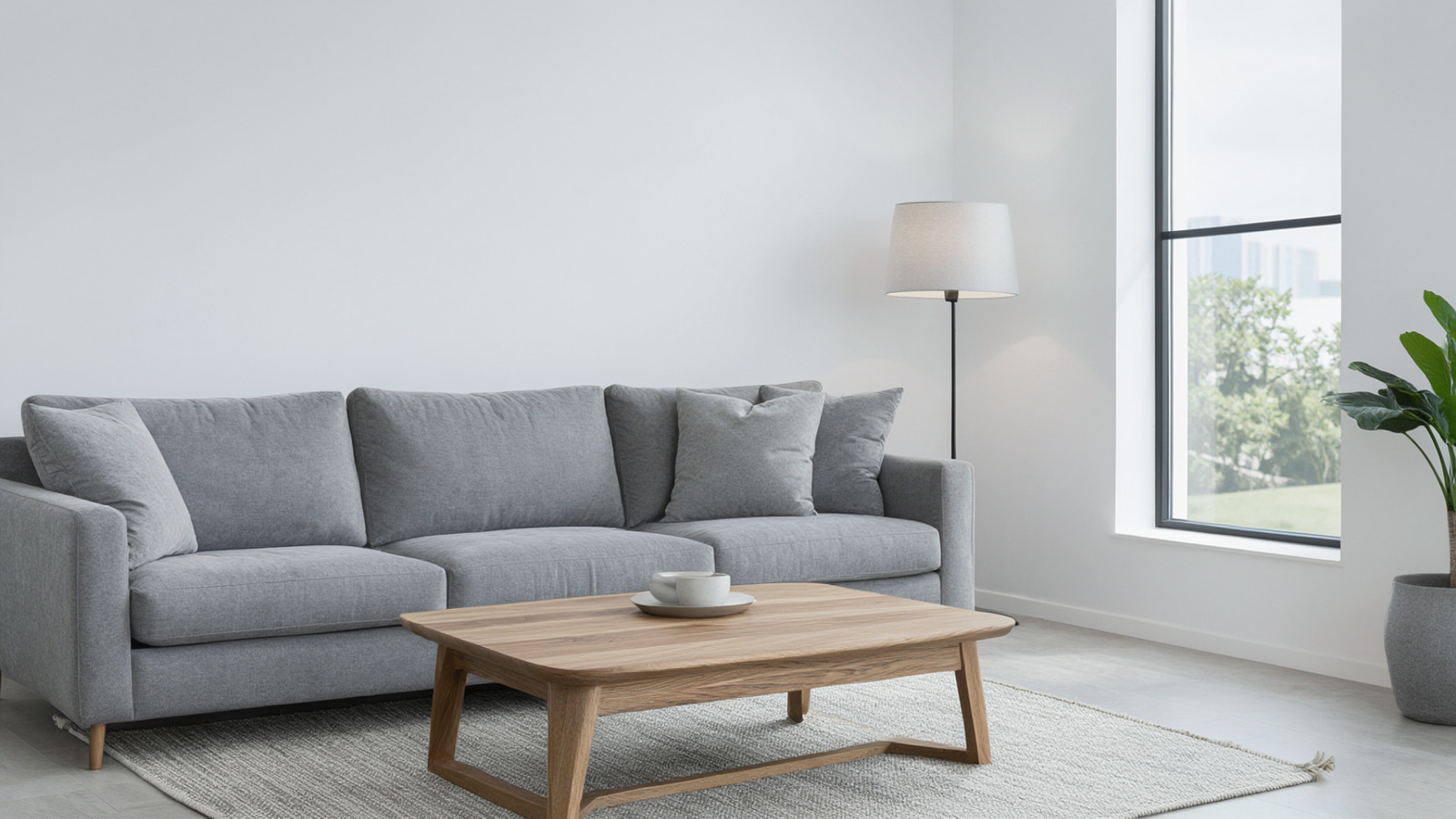
When it comes to selling a home, first impressions are everything. As the real estate agent, you know that your client's property needs to look its best online, where more than 85% of home buyers begin their search. One effective way to achieve this is through home staging.
Home staging involves preparing your client's home for sale by making it look as attractive as possible to potential buyers. This can include rearranging furniture, adding decor, and making small upgrades to improve the overall appearance of the property. By doing so, you can help your client's home stand out from the competition and attract more interested buyers.
However, it's essential to be mindful of the staging process. Over-staging or using cheap, low-quality items can detract from the home's true value and make it appear less appealing to potential buyers. Instead, focus on showcasing the home's best features and creating a welcoming atmosphere that makes buyers feel at home.
Investing in professional staging services can also be a wise decision. A professional stager can provide expert advice on how to best present your client's home, ensuring that it looks its best in listing photos and during in-person showings. This can ultimately lead to a faster sale and a higher selling price.
In addition to staging, it's also crucial to pay attention to the details. Small things like clutter, outdated decor, and unappealing color schemes can turn off potential buyers and make your client's home feel less welcoming. Taking the time to declutter, update, and freshen up the home's appearance can make a big difference in how it's perceived by buyers.
By focusing on home staging and paying attention to the details, you can help your client's listing stand out from the competition and attract more interested buyers. This can ultimately lead to a faster sale and a higher selling price, making it a worthwhile investment for your client and a successful outcome for your real estate business.
Days on Market: How Inconsistent Quality Can Slow Your Listing's Sale
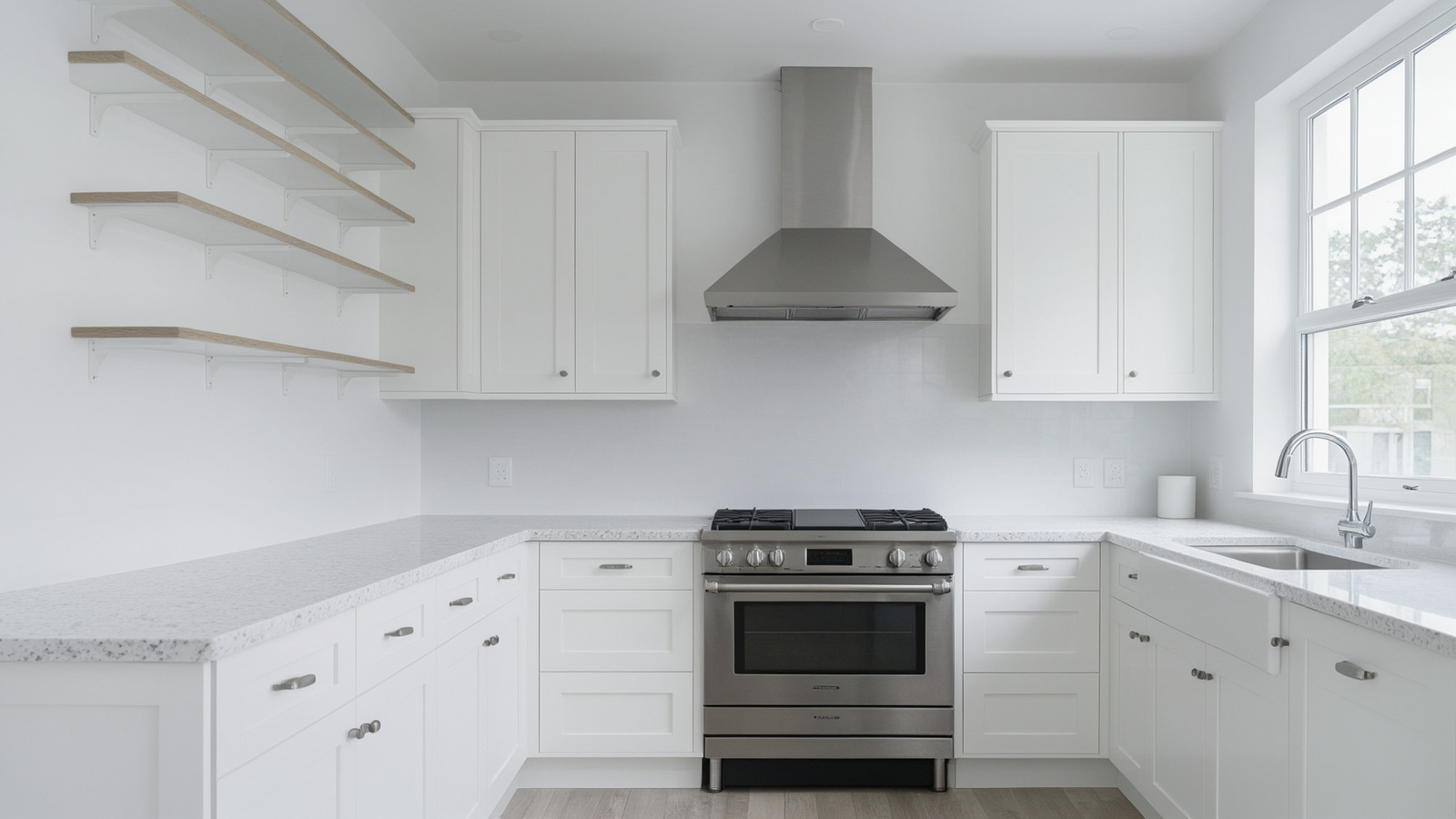
When a listing sits on the market for an extended period, it's not uncommon for realtors to question what went wrong. One often overlooked factor is the inconsistency in the quality of the listing photos. If your listing photos are of varying quality, it can create confusion for potential buyers and lead to a slower sale.
Imagine this scenario: a potential buyer is scrolling through listings online, and they come across your client's home. The photos are inconsistent in quality, with some being sharp and well-lit, while others are dim and blurry. This inconsistency can leave the buyer feeling uncertain about the true condition and value of the property. They may hesitate to schedule a showing, ultimately leading to your listing taking longer to sell.
To avoid this issue, it's crucial to maintain consistent quality throughout your listing photos. Invest in professional-grade photography services to ensure that every photo accurately represents your client's home in the best light possible. By doing so, you'll be able to showcase the property's unique features and attract more potential buyers, ultimately speeding up the sale process.
In addition to the inconsistency in quality, another factor that can slow down the sale of your listing is the presence of clutter and personal items in the photos. Prospective buyers often search for homes online, and they want to visualize themselves living in the space. If the photos are filled with the current homeowners' personal belongings, it can be difficult for buyers to imagine themselves in the home.
To overcome this challenge, consider investing in professional home staging services. Stagers can help declutter and depersonalize the space, making it more appealing to a wider audience of potential buyers. By creating a blank canvas, buyers can easily envision their own furniture and decor in the space, ultimately leading to a quicker sale.
In conclusion, the quality of your listing photos plays a significant role in the speed of your client's home sale. By maintaining consistent quality and investing in professional staging services, you'll be able to showcase your client's property in the best light possible, attracting more potential buyers and ultimately speeding up the sale process.
The Hidden Costs of Inconsistent Quality in Real Estate Marketing
When it comes to real estate marketing, consistency is key. However, many real estate agents overlook the importance of maintaining a high level of quality across all their listing photos. Inconsistent quality can not only make your listing photos look unappealing but can also slow down the sale of your client's home. Here are some of the hidden costs associated with inconsistent quality in real estate marketing:
Firstly, inconsistent quality can lead to a lack of trust and credibility among potential buyers. If buyers see a mix of high-quality and low-quality photos, they may question the honesty of the listing. This can lead to potential buyers losing interest and moving on to another listing that appears more trustworthy.
Secondly, inconsistent quality can make it difficult for buyers to visualize themselves living in the home. If the photos are inconsistent in terms of lighting, angles, and staging, buyers may struggle to get a clear picture of what the home looks like. This can result in more showings and longer days on market, as buyers are less likely to make an offer without a clear understanding of the property.
Moreover, inconsistent quality can also lead to missed opportunities for showcasing the unique features of your client's home. By not investing time and effort into high-quality listing photos, you may fail to highlight the best aspects of the property. This can result in the home being overlooked by potential buyers who may have been interested had they seen the true potential of the home.
Lastly, inconsistent quality can harm your reputation as a real estate agent. If potential clients see that your listings are not presented well, they may question your ability to market their home effectively. This can lead to lost business and a decrease in referrals.
To avoid these hidden costs, it is essential to invest in high-quality listing photos for your client's home. By doing so, you can ensure that your listings stand out from the competition and that potential buyers have a clear and accurate representation of the property. This can lead to faster sales, happier clients, and a strong reputation in the industry.
Frequently asked questions
Do better photos really sell homes faster?
Yes — strong photos drive more clicks and shorter time on market.
How many photos should a listing have?
Aim for 15–25 covering every room and key exterior angle.
Want this done to your listing? Send it over and we'll build a free before/after — no call, no commitment: see the free preview.